Small Changes, Big Impact: How to Make It Easier to Follow Dietary Guidelines

Small Changes, Big Impact: How to Make It Easier to Follow Dietary Guidelines
The official Dietary Guidelines for Americans sound simple enough—eat more fruits and vegetables, choose whole grains, limit added sugars, and cut back on sodium and saturated fat. But in the middle of busy schedules, takeout temptations, and family routines, putting those guidelines into practice can feel overwhelming. The good news? You don’t need a total lifestyle overhaul to eat better. Small, realistic changes can make a big difference for your health, energy, and overall well-being. Here’s how to get started—without feeling deprived or stressed.
Start with One Habit at a Time
When you decide to eat healthier, it’s tempting to try to change everything at once. But research shows that gradual changes are more likely to stick. Pick one area to focus on—like adding a serving of vegetables to dinner or swapping white bread for whole-grain.
Once that new habit feels natural, move on to the next one. Step by step, those small shifts add up to lasting change.
Make Healthy Choices the Easy Choices
Healthy eating isn’t just about willpower—it’s about environment. If fresh fruit is visible on the counter and prepped veggies are front and center in the fridge, you’re more likely to reach for them. Likewise, if soda and chips aren’t in plain sight, you’ll be less tempted.
Try a few simple strategies:
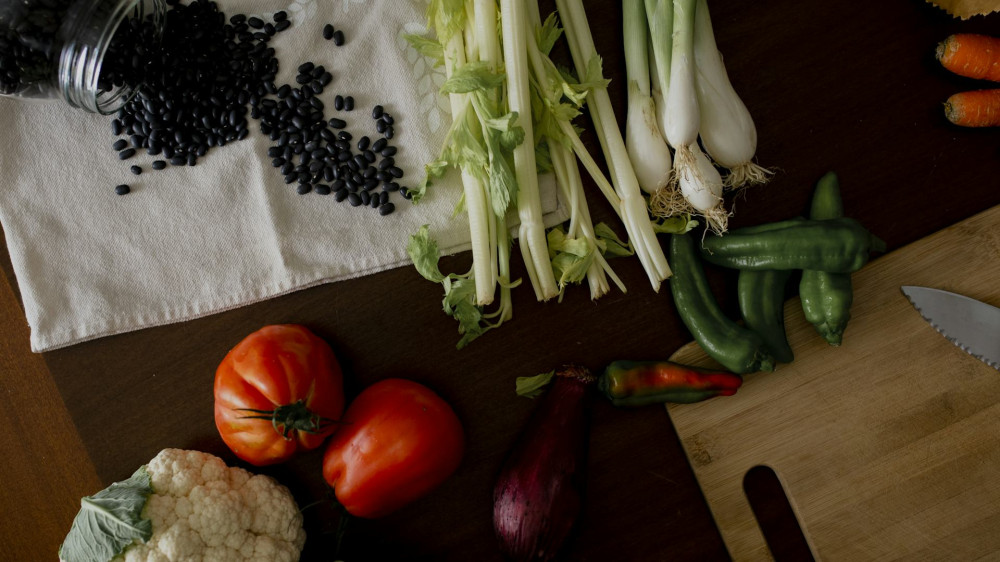
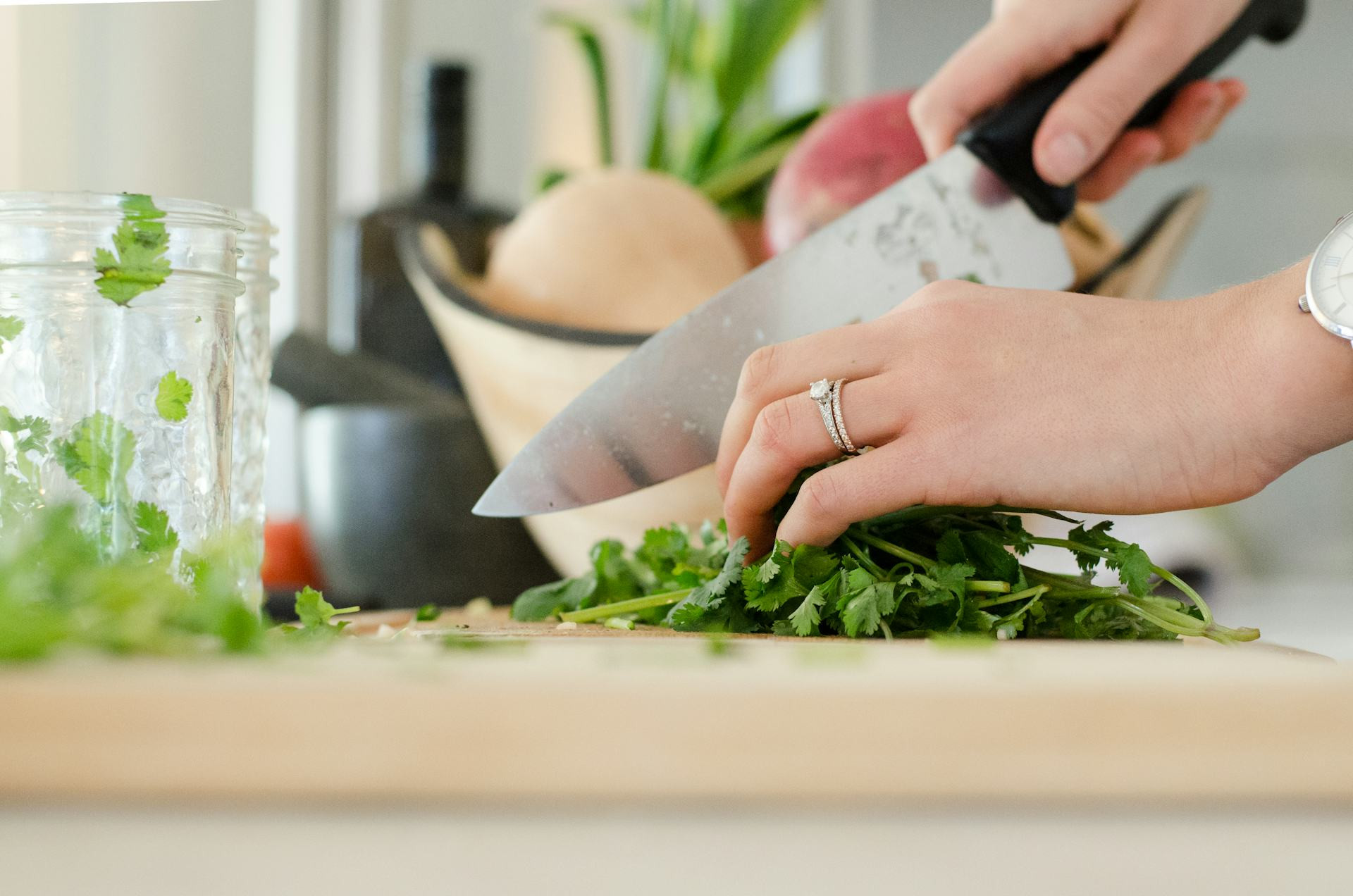
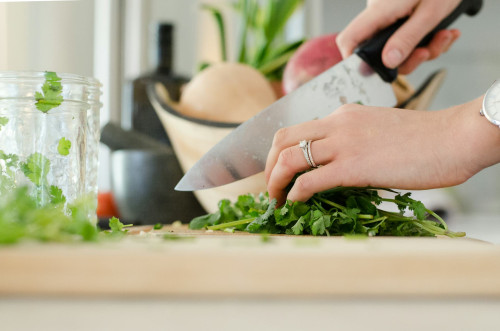
- Wash and cut vegetables ahead of time for quick snacks or lunch boxes.
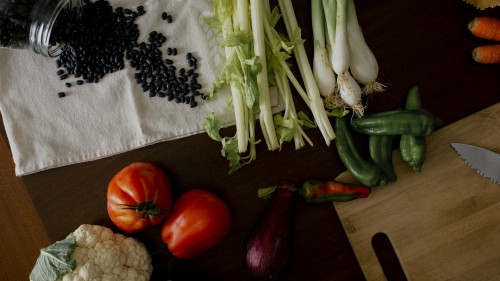
- Keep frozen vegetables on hand for fast weeknight meals.
- Cook a big batch of brown rice or quinoa to use throughout the week.
The easier it is to grab something healthy, the more often you’ll do it.
Focus on Adding, Not Restricting
Healthy eating doesn’t have to mean giving things up. Instead of thinking about what to cut out, think about what to add. Maybe that’s an extra handful of spinach in your omelet, a side of beans with dinner, or a sprinkle of nuts on your yogurt.
When you fill your plate with nutritious foods, the less healthy options naturally take up less space. It’s a more positive—and sustainable—way to eat well.
Læs også:

Plan Ahead, but Stay Flexible
One of the biggest barriers to healthy eating is time. When you’re hungry and tired, convenience wins. A little planning can make all the difference.
Try making a meal plan for a few days at a time, and stock your kitchen with basics like whole grains, canned beans, eggs, and frozen vegetables. That way, you can throw together a balanced meal even on your busiest nights.
But remember—plans should be flexible. Swap meals around or improvise if you’re craving something different. The goal is to make healthy eating easier, not rigid.
Practice Mindful Eating
Following dietary guidelines isn’t just about what you eat—it’s also about how you eat. Many of us eat quickly or while distracted, which makes it harder to notice when we’re full. Try slowing down, putting your fork down between bites, and really tasting your food.
Mindful eating helps you tune in to your body’s hunger and fullness cues, making it easier to avoid overeating and enjoy your meals more.
Make It a Team Effort
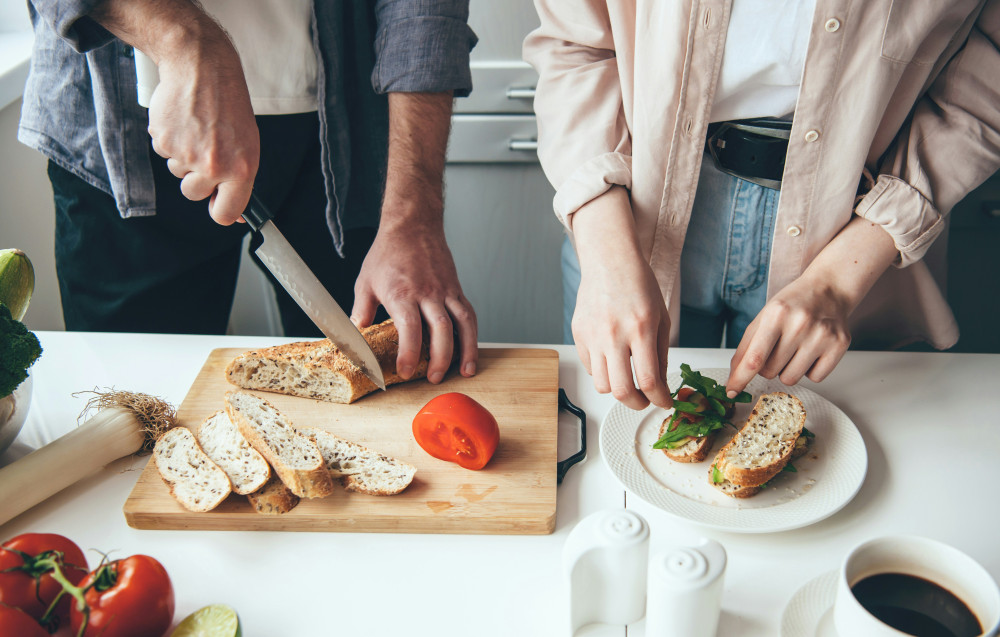
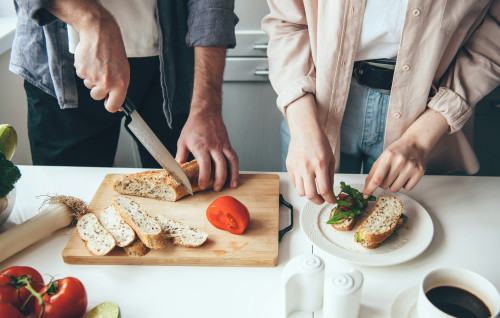
Changing habits is easier when you’re not doing it alone. Talk with your family or friends about how you can support each other. Maybe you cook together, share healthy recipes, or challenge each other to try new foods.
For kids, getting involved in the kitchen can be fun—and they’re more likely to eat what they help prepare. For adults, it’s motivating to know you’re working toward a goal together.
Small Steps, Big Results
Eating according to the Dietary Guidelines isn’t about perfection—it’s about progress. Every time you choose a little more produce, a little less sugar, or a little more whole grain, you’re making a positive change.
Over time, those small choices add up to big improvements in health, energy, and quality of life. And the best part? You can still enjoy your food along the way.
Læs også: