New Eating Habits Together – How to Get Everyone on Board

New Eating Habits Together – How to Get Everyone on Board
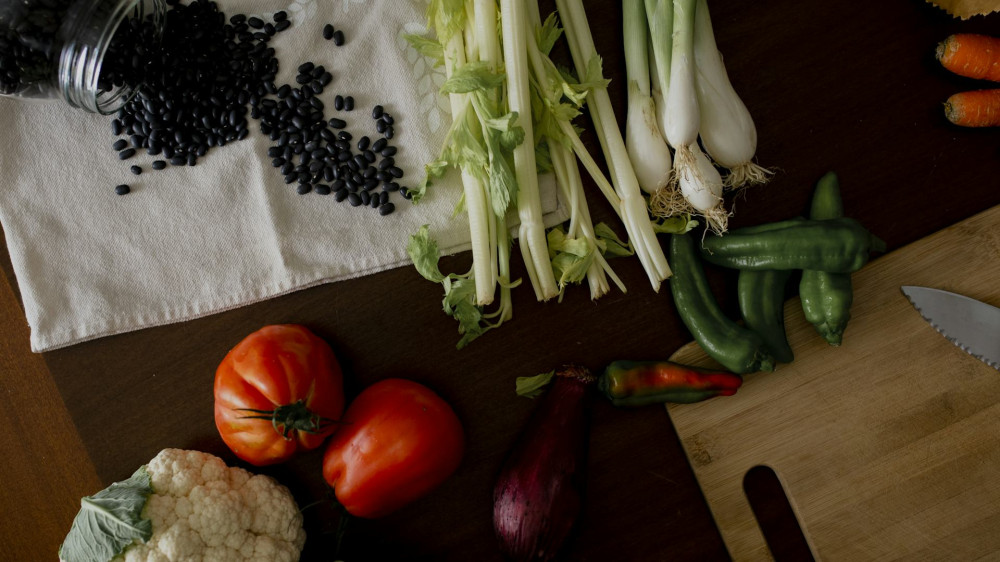
Changing eating habits can be a real challenge—especially when it involves the whole household. Maybe you want to eat more vegetables, cut back on meat, or reduce food waste, but not everyone is equally enthusiastic. Shifting routines takes patience, planning, and teamwork. Here’s how you can make new eating habits a shared, positive experience for everyone at the table.
Start with a Conversation – and Really Listen
The first step toward new eating habits is to talk about why you want to make a change. Is it for better health, to save money, to help the planet, or simply to bring more variety to your meals? When everyone understands the reason, it’s easier to get on board.
Invite the whole family to share their thoughts and preferences. Maybe your kids are curious about trying new foods, or your partner has favorite dishes that could be made a bit lighter or greener. The goal isn’t to dictate but to find common motivation. The more everyone feels heard, the more likely they are to support the change.
Læs også:
Small Steps Make a Big Difference
A complete overhaul overnight can feel overwhelming. Instead, start with small, manageable changes that gradually become part of your routine.
- Try a meatless day once a week—make it a fun family tradition.
- Swap ingredients—whole-grain pasta instead of white, or ground turkey instead of beef.
- Reinvent familiar favorites—tacos, chili, or burgers can all be made with more veggies or plant-based proteins.
- Focus on adding, not removing—it feels more positive to “eat more greens” than to “cut out meat.”
Gradual changes are easier to stick with, and your taste buds will have time to adjust.
Make Cooking a Team Effort
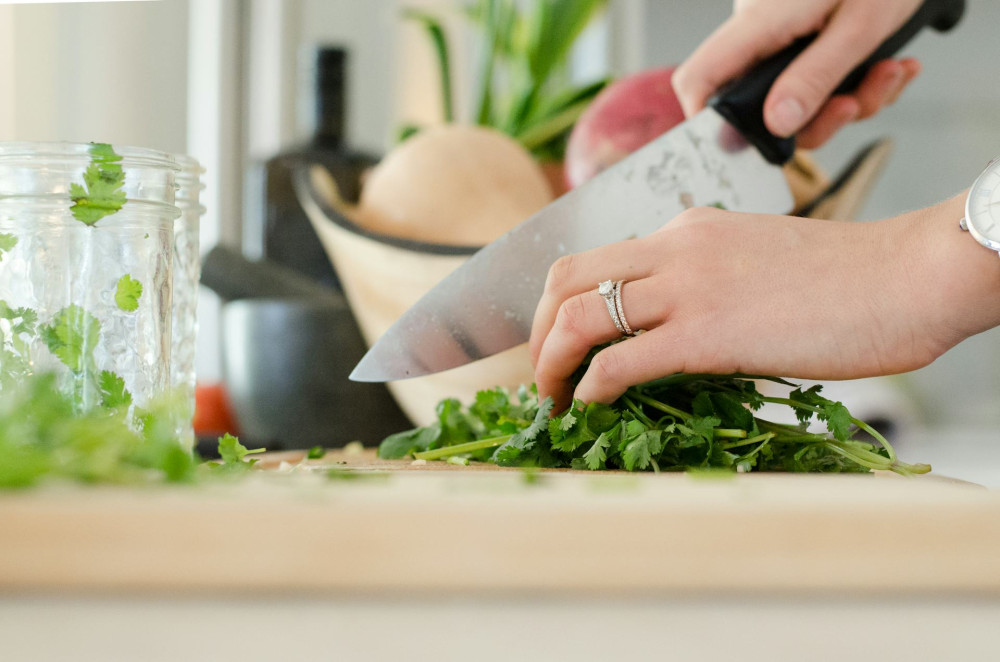
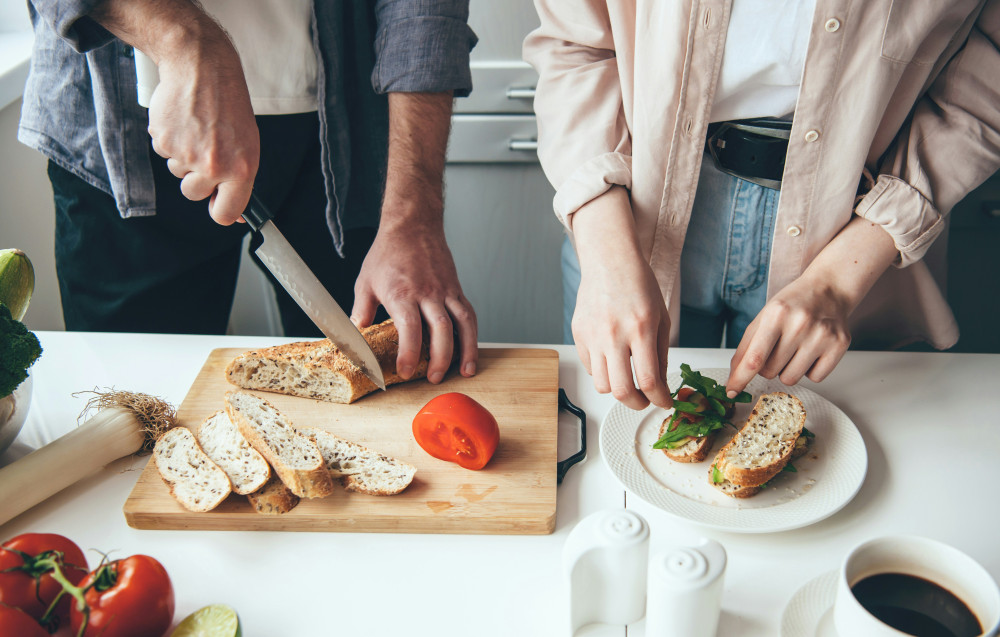
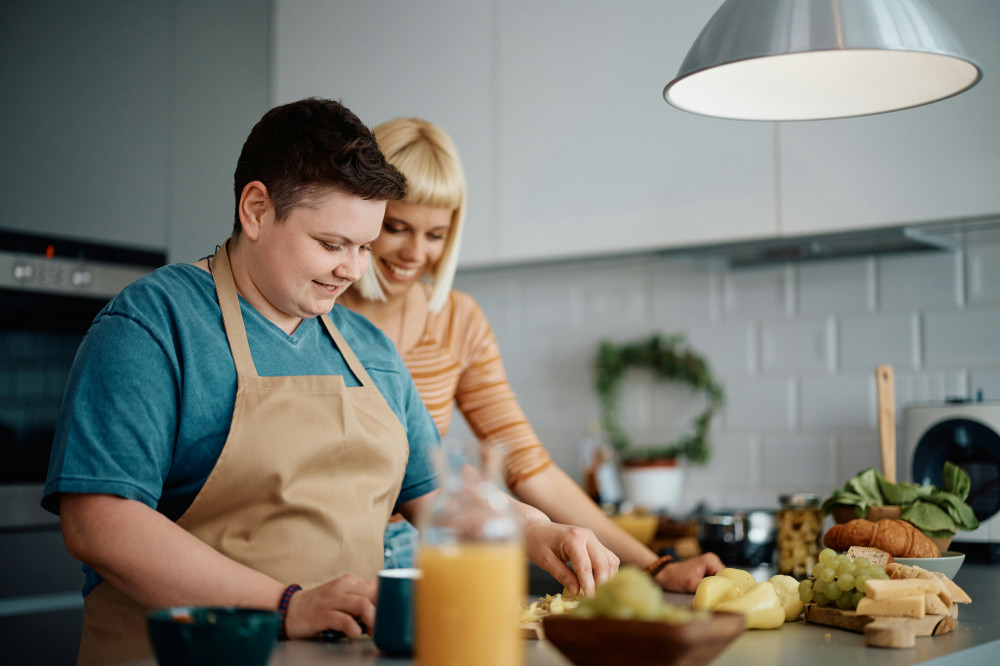
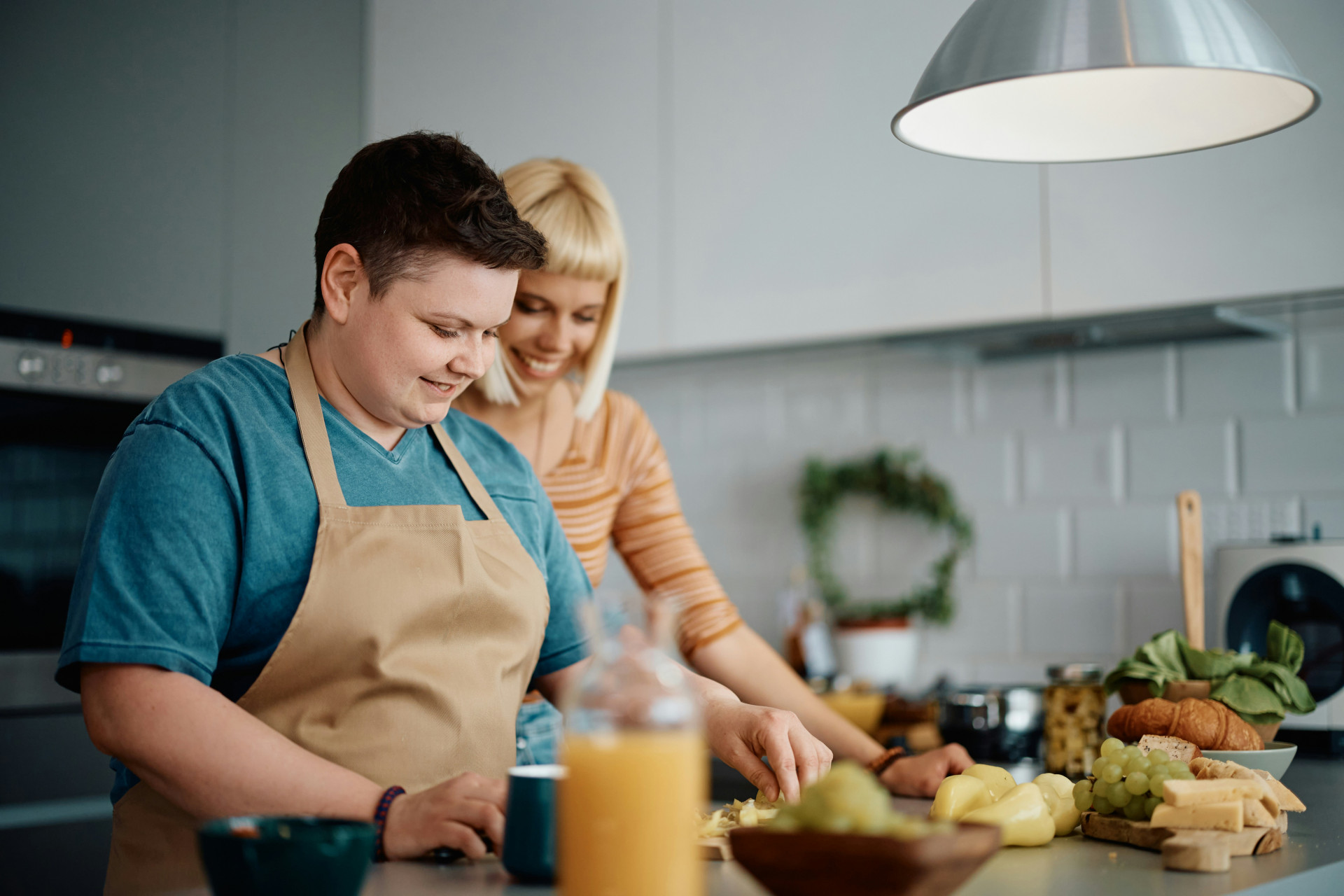
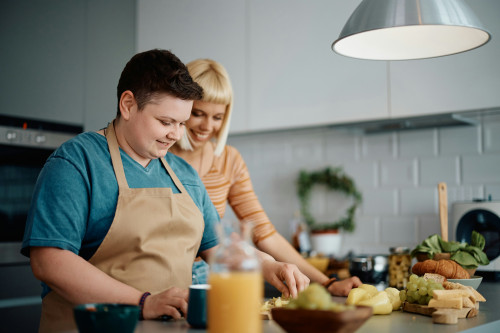
Eating habits aren’t just shaped at the dinner table—they start in the kitchen. When everyone helps with cooking, they feel more invested and curious. Kids who get to chop veggies, stir the pot, or pick a recipe are often more willing to try new foods.
Create a weekly meal plan together. Maybe each person chooses one meal, or you all try a new recipe every Sunday. Turning it into a shared project makes it feel like an adventure rather than a chore.
Create Positive Mealtime Experiences
Food is about more than nutrition—it’s about connection. When mealtimes are relaxed and enjoyable, it’s easier to associate new habits with something positive.
Set the table nicely, light a candle, and take time to eat together without screens. Talk about the food—what tastes good, what could be different next time. When the atmosphere is warm and open, everyone feels more comfortable experimenting and giving feedback.
Get Kids Involved in Decisions
Kids can be skeptical of new foods, but they’re also naturally curious—especially when they have a say. Let them help choose vegetables at the grocery store, pick recipes, or decorate their plates. It gives them a sense of pride and makes them more likely to taste what they helped create.
A good trick is to pair something new with something familiar. If your child loves pasta, try a new sauce or add some colorful veggies instead of changing the whole dish at once.
Stay Consistent – but Be Flexible
Motivation will come and go. Some days you’ll stick to the plan; other days, takeout wins. That’s okay. The key is not to give up but to see it as a process. Building new habits takes time, and flexibility keeps it sustainable.
Celebrate small wins—maybe you discovered a new favorite recipe or noticed less food waste. Recognizing progress keeps everyone motivated to continue.
Shared Habits, Shared Values
Working together to change eating habits is about more than food—it’s about cooperation, respect, and shared responsibility. By taking small steps, listening to each other, and keeping the process enjoyable, you can create a household where meals are both healthy and meaningful.
It’s not a short-term project but an ongoing journey toward a healthier, more sustainable, and more connected way of eating—together.
Læs også: