Check the Fridge First – Plan Your Meals Wisely

Check the Fridge First – Plan Your Meals Wisely
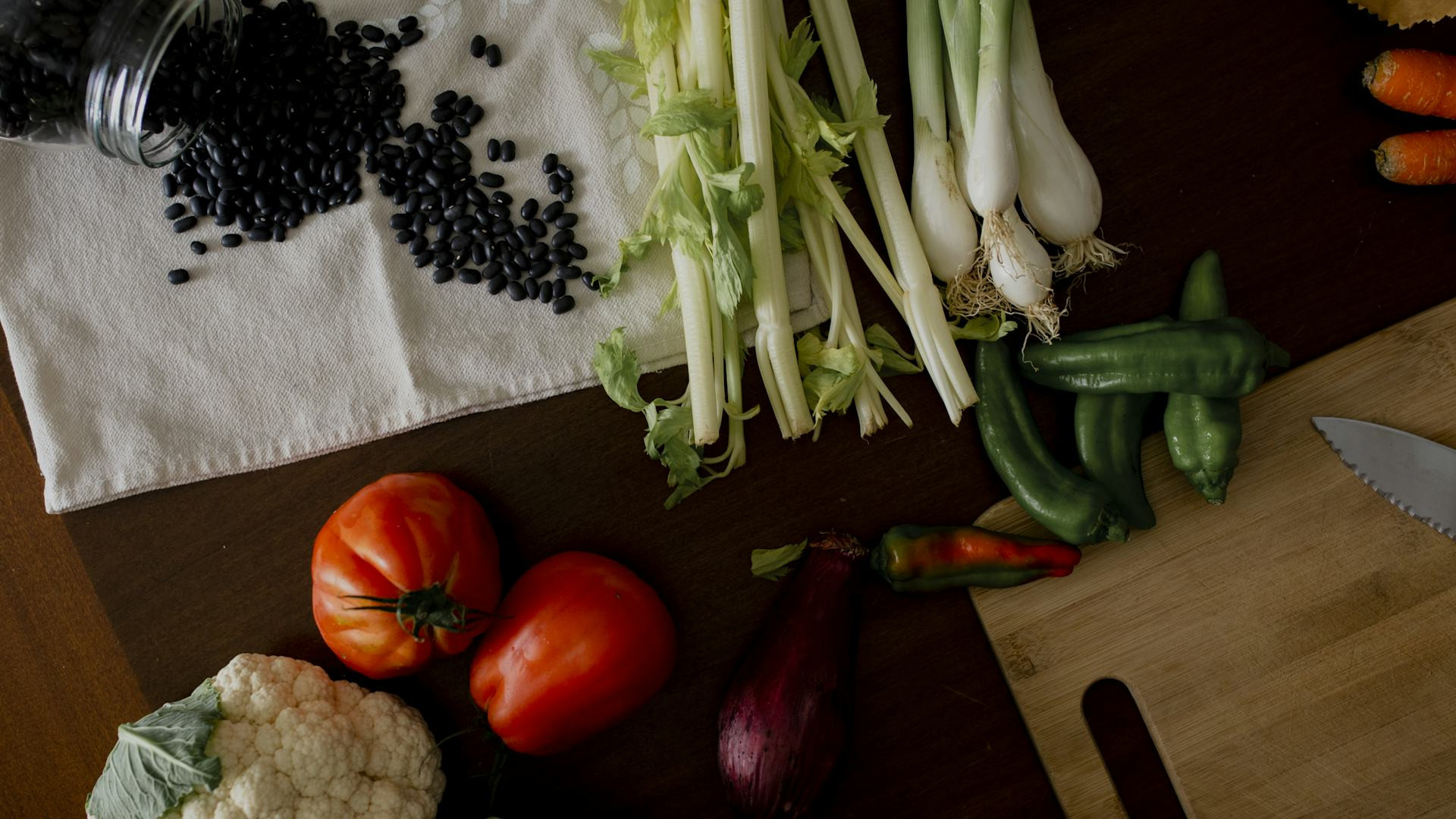
Food waste is a growing issue in many American households. We often buy more than we need, forget what’s already in the fridge, and end up tossing perfectly good food. But with a little planning and awareness, you can save money, reduce waste, and make your daily routine easier. Here’s how to plan your meals more wisely—starting with a quick look inside your fridge.
Take Stock Before You Shop
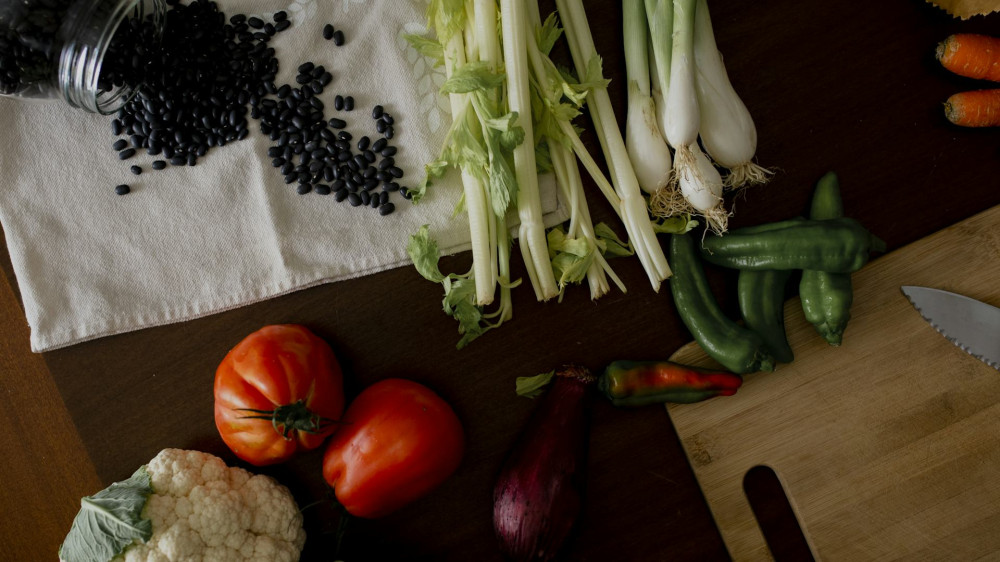
Before you make a grocery list, open your fridge, freezer, and pantry. What do you already have? You might find leftovers, vegetables, or canned goods that can form the base of a meal.
Make a quick list of what needs to be used soon and what can last a bit longer. This helps you prioritize and use up perishable items first. A simple trick is to keep foods that need to be eaten soon on one shelf, so they’re easy to spot when you’re cooking.
Plan Around What You Have
Instead of letting recipes dictate your shopping, let your ingredients inspire your meals. Have half a bag of spinach, a few eggs, and some cheese? That’s an omelet waiting to happen. A couple of vegetables and leftover chicken can turn into a stir-fry or a hearty soup.
There are plenty of apps and websites where you can enter the ingredients you have and get recipe ideas. It’s an easy way to be creative without making another trip to the store.
Create a Realistic Meal Plan
A meal plan doesn’t have to be rigid or complicated. The key is to make it fit your lifestyle. Think about how many days you’ll realistically cook at home and plan accordingly.
- Monday–Wednesday: Use fresh ingredients that need to be eaten soon.
- Thursday: Make a “leftover night” with a casserole, pasta dish, or stir-fry.
- Friday: Plan something fun or easy, like tacos or homemade pizza.
- Weekend: Cook larger batches and freeze portions for busy days ahead.
By thinking in terms of your weekly rhythm, you’ll avoid overbuying and make your weeknights less stressful.
Make the Freezer Your Friend
Your freezer is one of the best tools for smart meal planning. You can freeze much more than just meat and bread—think cooked rice, sauces, soups, and even shredded cheese.
Label everything with the date and contents so you know what’s there. Check your freezer regularly to avoid forgetting about items that could still be used. It’s a simple way to stretch your groceries and reduce waste.
Give Leftovers a Second Life
Leftovers don’t have to be boring. In fact, they can be the start of something new. Mashed potatoes can become the topping for a shepherd’s pie, cooked veggies can go into a frittata, and rice can be turned into fried rice with eggs and greens.
Get into the habit of asking, “What can this become?” instead of “Should I throw this out?” It’s a mindset that makes cooking more sustainable—and often more fun.
Think Seasonally and Stay Flexible
When planning your meals, look for what’s in season. Seasonal produce is usually fresher, tastier, and more affordable. At the same time, keep your plan flexible—swap meals if you find a great deal at the grocery store or if your week changes unexpectedly.
The goal isn’t to follow your plan perfectly, but to use it as a guide to avoid impulse buys and unnecessary waste.
Læs også:

Small Changes, Big Impact
Planning your meals wisely doesn’t require a major lifestyle overhaul—just a bit of structure and mindfulness. By checking the fridge first, using what you already have, and thinking a few days ahead, you can save time, money, and resources.
And perhaps best of all, you’ll enjoy a calmer, more satisfying approach to cooking—one that turns mealtime into something to look forward to, not stress over.
Læs også: