Make the Farewell Personal: How to Involve Family and Friends in Planning the Farewell Ceremony

Make the Farewell Personal: How to Involve Family and Friends in Planning the Farewell Ceremony
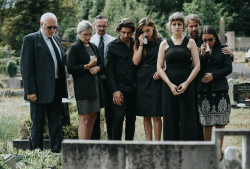
When someone we love passes away, we are faced with both grief and a series of practical decisions. In the midst of loss, planning the farewell ceremony can become a meaningful part of the healing process—a chance to create a tribute that reflects the person’s life, values, and spirit. By involving family and friends in the planning, the farewell can become more personal, heartfelt, and unifying. Here are some ways to make that happen.
Start with a Shared Conversation
The first step is to bring close family and friends together to talk openly about wishes and expectations. Some people leave clear instructions for their farewell, while others leave those choices to their loved ones. Either way, it helps to gather and share thoughts about what feels right.
Consider questions like:
- What kind of atmosphere should the ceremony have—formal, warm, simple, or celebratory?
- What elements were important in the person’s life—music, faith, nature, community?
- Should the ceremony follow tradition, or would a more personal approach feel truer to who they were?
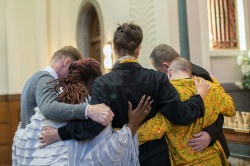
When everyone contributes, the farewell becomes a shared project where each person feels heard and included.
Share the Responsibilities
Planning a farewell can feel overwhelming, but dividing tasks makes it more manageable. Some people may handle logistics, while others focus on personal touches.
- Someone can write or deliver a eulogy that captures the essence of the person’s life.
- Another can choose music—perhaps songs that held special meaning.
- Someone can gather photos for a slideshow or memory table.
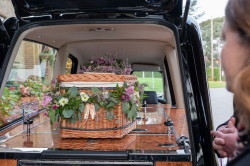
- Another can arrange flowers or decorations.
- Someone can coordinate with the funeral home, officiant, or celebrant.
When each person contributes in a way that feels natural to them, the process becomes both easier and more meaningful.
Add Personal Touches
A personal farewell doesn’t have to be elaborate. Often, it’s the small details that speak volumes about the person being remembered. You might include:
- A favorite song or piece of music played during the ceremony.
- A poem, quote, or reading that held special significance.
- A cherished object—a photo, tool, or book—that symbolizes something important in their life.
- A ceremony held outdoors if they loved nature.
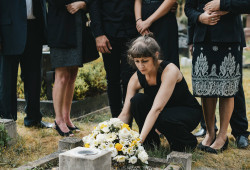
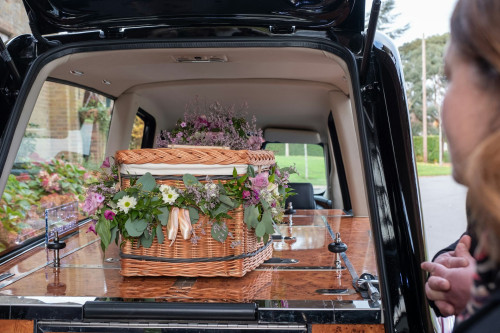
- A closing moment where guests place flowers, stones, or written notes near the casket or urn.
These personal elements often become the most memorable parts of the farewell, helping loved ones find comfort and connection.
Include Children and Teens
Children and teens grieve in their own ways, and being part of the ceremony can help them process their feelings. They might draw a picture, write a letter, light a candle, or place a flower. Giving them a role—no matter how small—helps them feel included and supported.
Talk with them about what will happen and let them decide how much they want to participate. The goal is to make them feel safe and involved, not pressured.
After the Ceremony: Sharing Memories and Support
The farewell ceremony marks not an end to grief, but the beginning of a new chapter. Many families choose to gather afterward for a reception or memorial gathering. This time together allows people to share stories, look through photos, and remember the person in a more relaxed setting.
You might:
- Create a memory book where guests can write messages or share stories.
- Collect photos and memories digitally to share with family and friends.
- Plan an annual remembrance or visit to a meaningful place.
These shared acts of remembrance can strengthen bonds and bring comfort in the weeks and months that follow.
Læs også:

A Farewell That Brings People Together
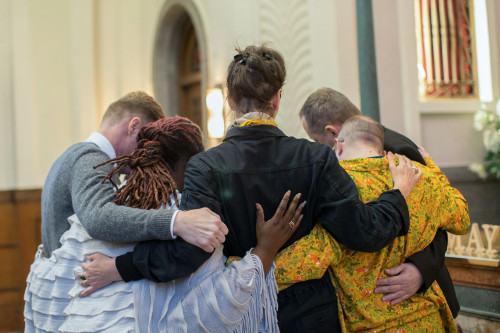
When family and friends are part of the planning, the farewell becomes more than a ceremony—it becomes a collective story about a life well lived. It allows space for both tears and laughter, and for the deep sense of connection that comes from facing loss together.
Making the farewell personal is, at its heart, an act of love: honoring the one who has passed and supporting one another as life continues.
Læs også: