Losing a Parent as an Adult – On Grief, Responsibility, and Love

Losing a Parent as an Adult – On Grief, Responsibility, and Love
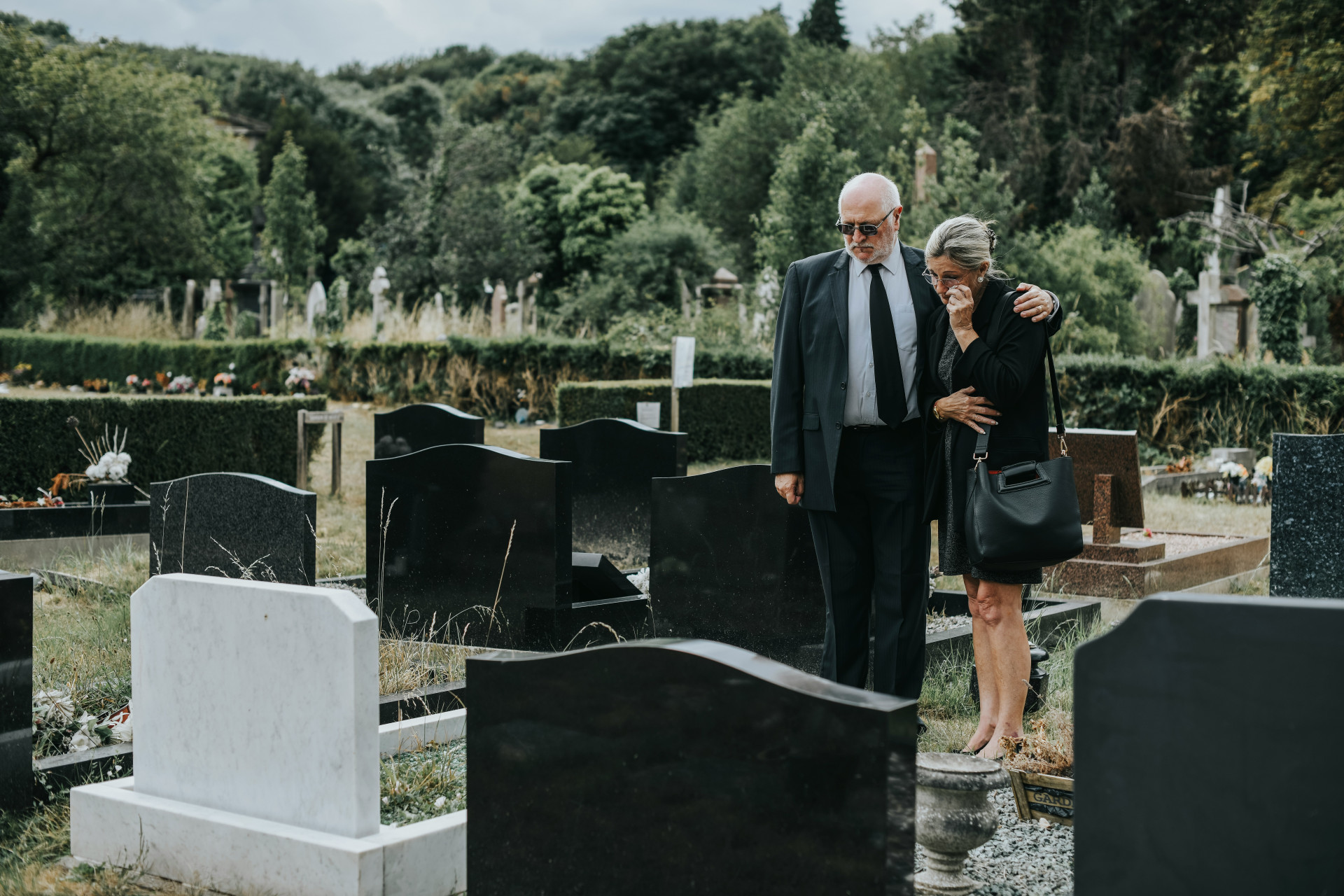
Losing a parent as an adult is one of life’s most profound and disorienting experiences. Even when we have our own families, careers, and responsibilities, the death of a parent can shake the foundation of who we are. The grief is not smaller because we are grown—it is simply different. It carries with it love, responsibility, and a new understanding of ourselves in a world where the person who once anchored us is no longer there.
When Grief Meets Everyday Life
For many adults, loss arrives in the middle of a busy life. There are children to care for, bills to pay, and work deadlines that don’t pause for grief. The world keeps moving, even when everything inside feels still.
It can be hard to give yourself permission to grieve when others depend on you. Many people find themselves “functioning” on the outside while feeling hollow or overwhelmed on the inside. Yet grief demands space and time—it asks to be felt, even when life insists on continuing.
A Double Responsibility: Losing and Caring
When a parent becomes ill or passes away, the emotional weight is often accompanied by practical responsibilities. You may find yourself managing medical decisions, finances, or funeral arrangements, all while trying to be present for your own family.
This period can be filled with conflicting emotions: deep love mixed with exhaustion, tenderness alongside frustration. It’s important to remember that both can coexist. Caring for a parent in their final chapter is an act of love, but it can also be draining. Reaching out for help—from siblings, friends, or professionals—is not a sign of weakness; it’s an act of compassion toward yourself.
When Family Roles Shift
The death of a parent often changes the family dynamic. You may suddenly become the oldest generation, the one others look to for guidance. That shift can feel strange, even lonely. The person you once called for advice or comfort is gone, and now you are the one others turn to.
For some, this brings a sense of loss and disconnection. For others, it awakens a quiet strength—a realization that the values, traditions, and love passed down to you are now yours to carry forward.
The Love That Remains
Though grief can feel consuming, it is also a reflection of love. To grieve is to honor the depth of what someone meant to you. Over time, the pain may soften, transforming from something raw into something gentler—a quiet companion that reminds you of what you’ve shared.
Many people find comfort in small rituals: lighting a candle, visiting a favorite place, cooking a meal their parent loved, or telling stories to their children. These acts keep the connection alive. Love doesn’t end with death—it changes form.
Finding Your Own Way Through Grief
There is no single right way to grieve. Some people need to talk often about their loss; others find solace in solitude. Some return quickly to daily routines, while others need more time. What matters most is allowing yourself to feel what you feel, without judgment.
Professional support—from a therapist, grief counselor, or support group—can be invaluable, especially if the sadness feels heavy or unending. Sharing your experience with others who have walked a similar path can bring comfort and a sense of belonging.
Læs også:


A Life With Loss—and With Meaning
Losing a parent as an adult marks a turning point. It reminds us of life’s fragility, but also of its depth. The grief may never fully disappear, but it can find its place within a life that continues to grow.
To live on is not to forget—it is to carry the love forward in new ways: in the choices we make, the kindness we show, and the stories we tell. In that ongoing act of remembrance lies grief, responsibility, and love—three inseparable parts of what it means to be human.
Læs også: