Belonging: How Community Strengthens Children’s Well-Being and Confidence

Belonging: How Community Strengthens Children’s Well-Being and Confidence
Feeling that you belong is a fundamental human need—and for children, it’s essential to their emotional, social, and academic growth. When kids experience a sense of belonging, their confidence blossoms, they take more risks, and they learn more effectively. Community gives them not only friends but also a sense of safety and purpose. But how can parents, teachers, and other adults help children feel that they truly belong?
The Power of Belonging for Children’s Well-Being
Research in child development consistently shows that children who feel connected to a community—whether at school, in their neighborhood, or through extracurricular activities—tend to thrive. They are more resilient, empathetic, and better able to handle challenges. When children feel seen, heard, and accepted, they develop a stronger sense of self and are more willing to express who they are.
On the other hand, feeling excluded or isolated can lead to anxiety, low self-esteem, and disengagement. That’s why it’s so important for schools, families, and communities to create inclusive environments where every child feels valued, regardless of background, personality, or ability.
Schools as Communities of Learning and Connection
School is one of the most influential places where children experience belonging. Beyond academics, it’s where they learn how to collaborate, respect differences, and build relationships. Teachers play a key role in shaping a classroom culture where every student feels they matter.
Small actions can make a big difference:
- Collaborative projects encourage teamwork and help students appreciate each other’s strengths.
- Class meetings or morning circles provide space to talk about feelings, friendships, and how to support one another.
- School-wide events—like spirit weeks, service projects, or buddy programs—help children feel part of something larger.
When children know they have a role in their school community, their confidence and sense of responsibility grow.
The Role of Extracurricular Activities
Outside the classroom, extracurricular activities offer children a chance to explore their interests and connect with peers who share them. Whether it’s sports, music, art, scouting, or community service, these experiences help kids discover their talents and learn teamwork, perseverance, and empathy.
Parents can nurture this sense of belonging by:
- Helping their child find an activity that matches their interests and personality.
- Showing up—attending games, performances, or exhibitions to demonstrate support.
- Talking about the values behind participation, such as cooperation, respect, and joy in shared effort.
In these settings, children learn that belonging isn’t about being the best—it’s about being part of something meaningful.
Home as a Foundation of Belonging
A child’s sense of belonging in the wider world begins at home. When children feel loved and accepted for who they are, they gain the confidence to connect with others. Parents can strengthen this foundation by showing genuine interest in their child’s daily life, listening without judgment, and helping them name and navigate their emotions.
Creating small family rituals—like cooking together, playing games, or taking walks—can also reinforce connection. These shared moments remind children that they have an important place in the family and that their contributions matter.
When Belonging Is Challenged
Even in supportive environments, conflicts, bullying, or exclusion can occur. In these moments, adult guidance is crucial. Children need to know they’re not alone and that adults will step in to help. Open conversations about kindness, diversity, and respect can prevent many issues before they start.
Children learn most from what they see. When adults model empathy, inclusion, and understanding, those values take root in the next generation.
Læs også:



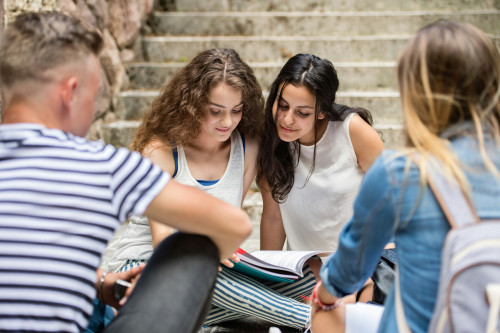
A Community That Builds Courage
Belonging isn’t just about having friends—it’s about feeling valued and connected to something bigger than yourself. When children experience that, they gain the courage to take risks, learn new things, and care for others.
As adults, we can’t create belonging for children, but we can create the conditions where it can grow. By doing so, we give them a gift that lasts far beyond childhood: the confidence to know they belong.
Læs også: