Teamwork and Fun: Create Games Where the Family Works Together to Solve Challenges


Teamwork and Fun: Create Games Where the Family Works Together to Solve Challenges
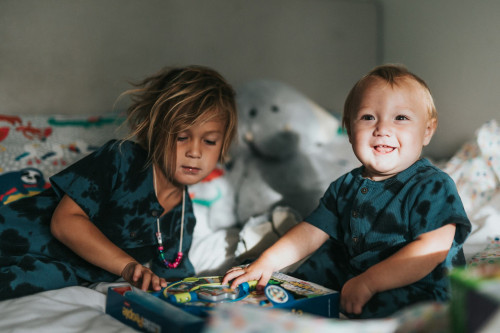
When the whole family plays together, it strengthens both connection and mood. Cooperative games aren’t just about winning – they’re about listening, helping, and finding creative solutions as a team. In a busy world filled with screens and schedules, these games offer a chance to laugh, bond, and build memories. Here’s how to bring teamwork and fun into your home.
Why Cooperative Games Bring Families Closer
When kids and adults work together to solve a challenge, they learn to communicate, respect each other’s ideas, and use their individual strengths. It builds trust and understanding – and often leads to plenty of laughter when things don’t go exactly as planned.
Cooperative games can be a great weekend activity or a quick break during the week. They rarely require much equipment, but they do call for imagination and enthusiasm. The key is that everyone participates equally, no matter their age.
Classic Team Games That Always Work
Some games never go out of style because they capture what makes teamwork fun: solving something together. Here are a few ideas that can be adapted for families big or small.
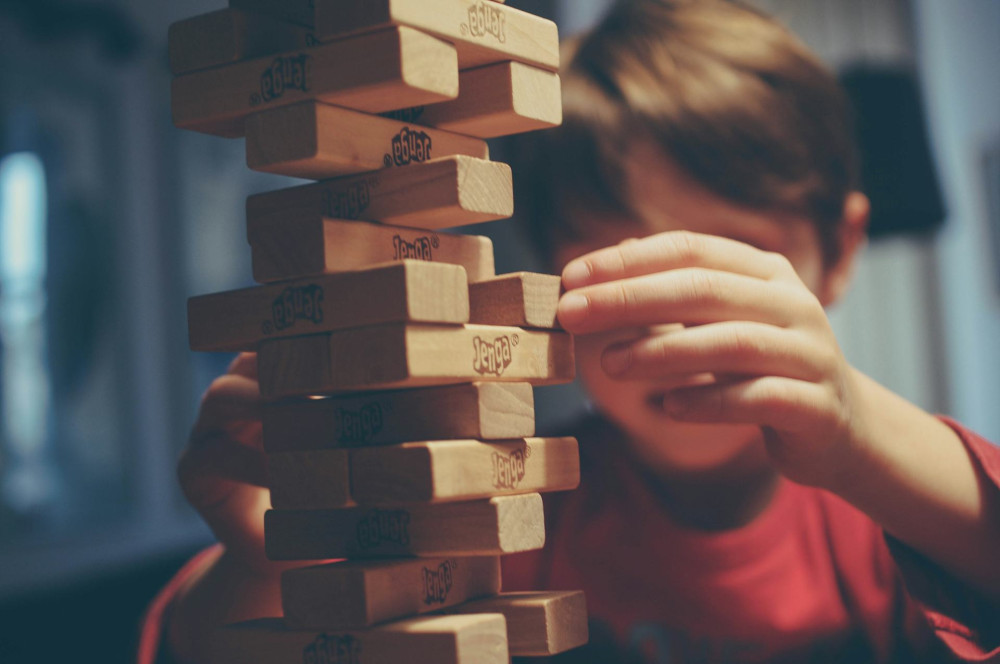
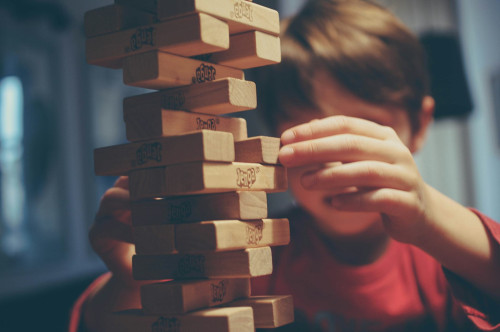
- Build a Tower – Use marshmallows and spaghetti, or whatever you have in the kitchen. The goal is to build the tallest freestanding tower. It takes planning, patience, and creativity.
- Blind Drawing – One person describes a picture while another draws it without seeing the original. It sounds easy, but it requires clear communication – and usually ends in laughter.
- Egg Relay 2.0 – Create a course where you have to carry an egg (or a small ball) together using spoons, strings, or your hands. The goal is teamwork, not speed.
- Family Puzzle – Draw a big picture on cardboard, cut it into pieces, and divide them among family members. Try to assemble it without talking – only gestures allowed!
These games can easily be adjusted to fit your children’s ages and your family’s size.
Create Your Own Family Challenges
The best part about cooperative games is that you can invent your own. Try a “family mission” where you complete small tasks to reach a shared goal – like finding a hidden treasure in the backyard or building a fort in the living room.
- Mission Homemade Pizza – Split into teams, with each group responsible for part of the pizza: dough, toppings, or decoration. You’ll need to coordinate so everything’s ready at the same time.
- Riddle Treasure Hunt – Set up clues and mini challenges that can only be solved by working together. It could involve finding objects around the house, solving riddles, or building something as a team.
- Living Room Survival – Pretend the floor is lava and build a safe route using pillows and chairs. It takes planning, balance, and teamwork to make it across safely.
When you make up your own rules, the game becomes more personal and engaging.
Teamwork Without Competition
Many games focus on winning, but cooperative games work best when the goal shifts from competition to shared experience. This helps children feel that their contributions matter – no matter their age or skill level.
After the game, take a moment to talk about what went well and what you learned from each other. It could be something simple like “you were great at keeping track of time” or “you came up with a clever solution.” That reflection turns playtime into a learning experience.
Læs også:


Make Teamwork Part of Everyday Life
Teamwork doesn’t have to be limited to planned games. It can become part of daily routines. Cook dinner together, clean up as a team, or turn errands into small challenges. When cooperation becomes a habit, family bonds grow stronger – and everyday life gets a little more fun.
The most important thing is that everyone feels included. When families play together, they create a space where it’s okay to laugh, make mistakes, and succeed – together.
Læs også: