Shared Identity Through Everyday Traditions and Repetitions


Shared Identity Through Everyday Traditions and Repetitions
When we think about what connects us as families, friends, or coworkers, it’s rarely the big events that come to mind first. More often, it’s the small, repeated moments — Sunday pancakes, Friday night movies, or the morning coffee shared before the day begins. It’s within these everyday rituals that our shared identity quietly takes shape and grows stronger.
The Small Habits That Become Traditions
Traditions don’t have to be grand or formal. They can emerge naturally from something as simple as a shared joke or a familiar routine. When we repeat an action together, we create a pattern that brings comfort and recognition.
Think of the coworkers who gather at the same table every morning for coffee, or the family that always makes tacos on Tuesday nights. Over time, these moments become more than just habits — they become symbols of belonging. They remind us that we’re part of something larger than ourselves, something that continues even when life feels unpredictable.
Repetition as Comfort and Rhythm
Repetition gives our days structure and rhythm. It may seem ordinary, but knowing what to expect can bring a sense of calm to both children and adults. These repeated actions form a kind of invisible heartbeat that keeps our relationships steady.
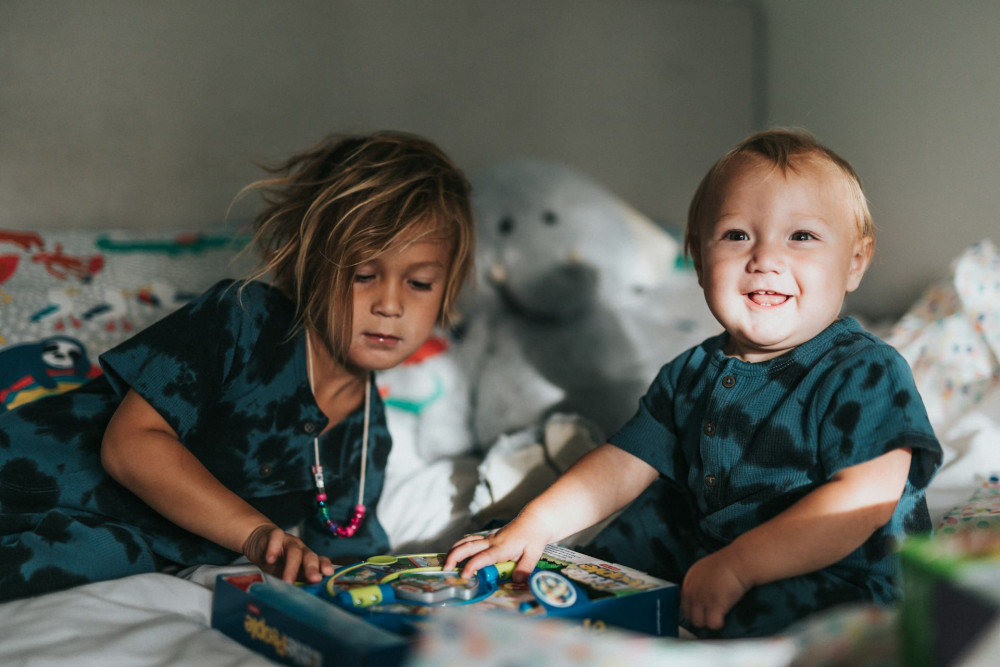
For children, routines are especially meaningful. Saying goodnight in the same way each evening or baking cookies together every weekend isn’t just fun — it helps define what “our family” means. Through repetition, children learn not only about the world but also about where they belong within it.
Shared Stories in Everyday Life
Small traditions often turn into shared stories. “Remember when we used to stop for ice cream after every soccer game?” or “We’ve always watched that movie on New Year’s Eve.” These memories become stories we tell again and again, connecting generations and deepening our sense of continuity.
The same happens among friends or colleagues. An annual camping trip, a running inside joke, or a particular way of celebrating birthdays becomes part of the group’s identity. Through these rituals, we create a shared language — one that says, “This is who we are together.”
When Traditions Evolve
No tradition stays exactly the same forever. Life changes — kids grow up, people move, jobs shift — and our routines adapt. But even when the form changes, the spirit can remain. Maybe Sunday dinner becomes a monthly brunch, or the weekly movie night turns into a virtual hangout when friends live in different cities.
What matters most isn’t the exact activity, but the intention behind it: the desire to stay connected and to create something familiar amid change. Traditions that evolve with us can continue to nurture a sense of belonging.
Making Space for New Rituals
If life feels too busy or scattered, it might be time to rediscover or create new shared rituals. They don’t have to be elaborate — a weekly family dinner without phones, a Saturday morning walk, or a simple “thank you for today” before bed can make a difference.
It’s not about forcing togetherness, but about making room for it. Over time, these small, repeated moments become something to look forward to — a thread of connection that weaves through the everyday.
Læs også:


The Quiet Strength of Togetherness
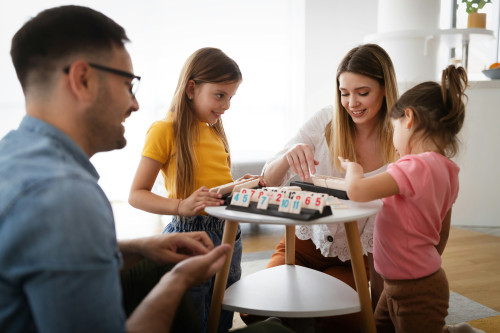
In a world that moves quickly and often pulls us in different directions, small traditions can be what keep us grounded. They remind us who we are together and give us a shared rhythm, even when everything else is changing.
Shared identity isn’t built only through big declarations or milestones, but through the quiet repetitions that bring us closer day by day. It’s in these everyday rituals that we find our common pulse — and, perhaps, a deeper sense of ourselves.
Læs også: